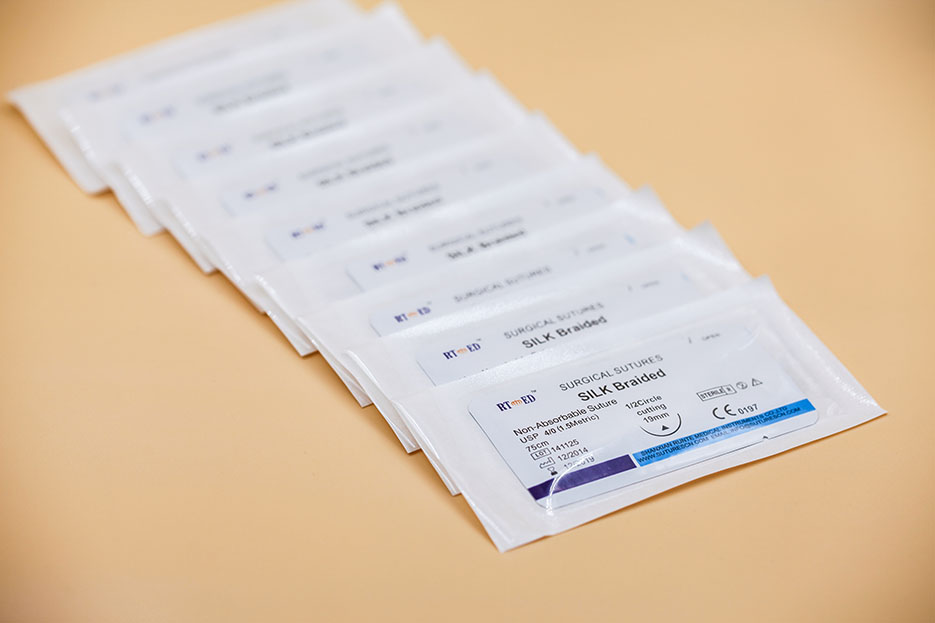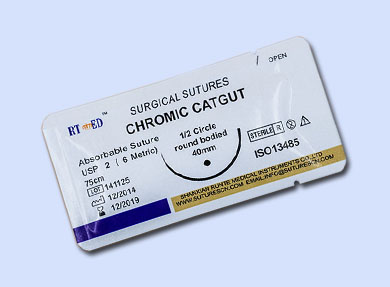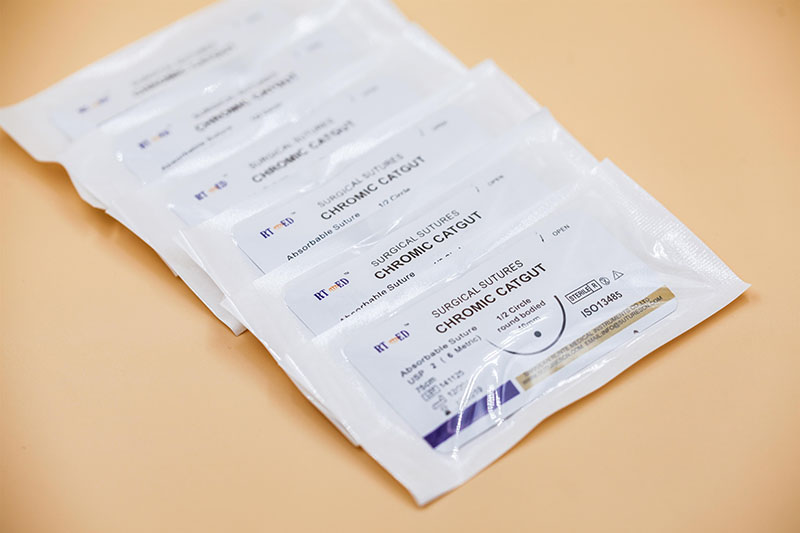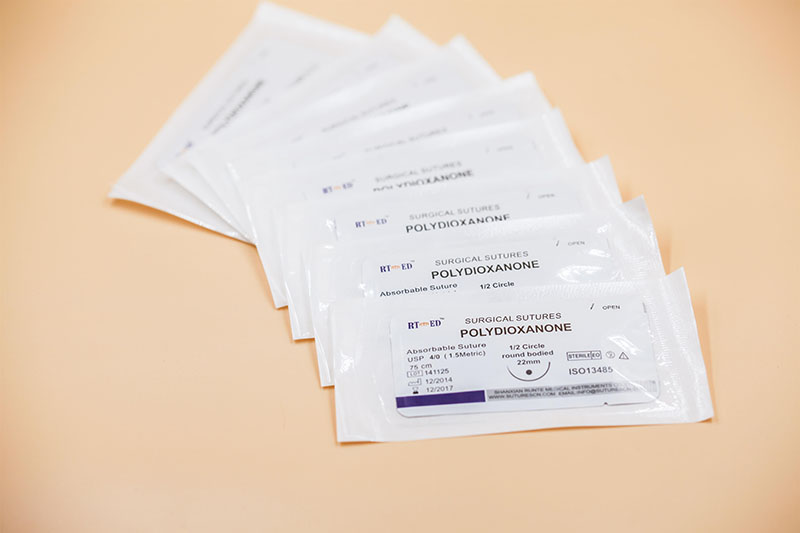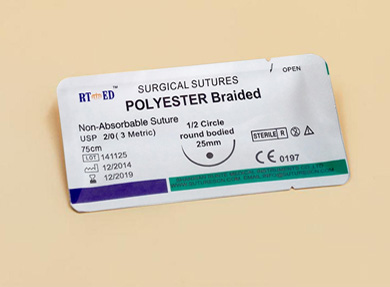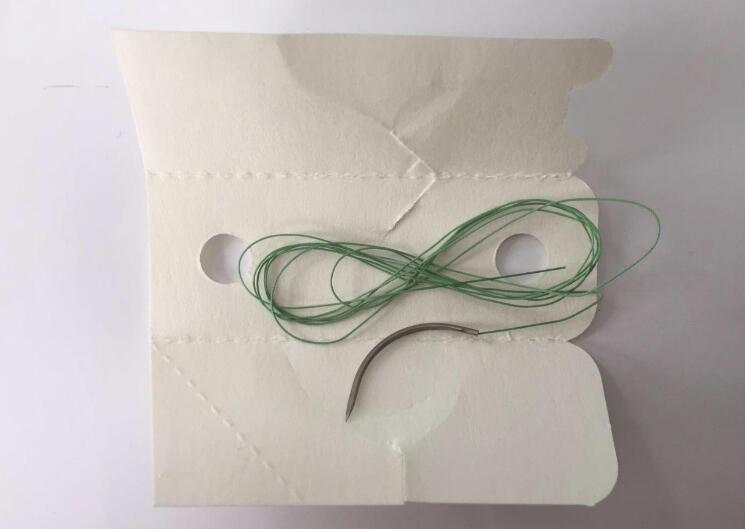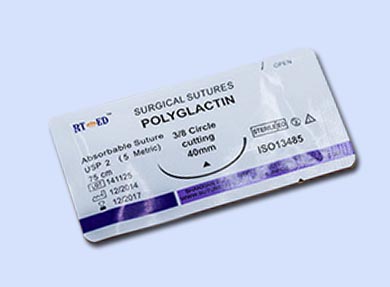
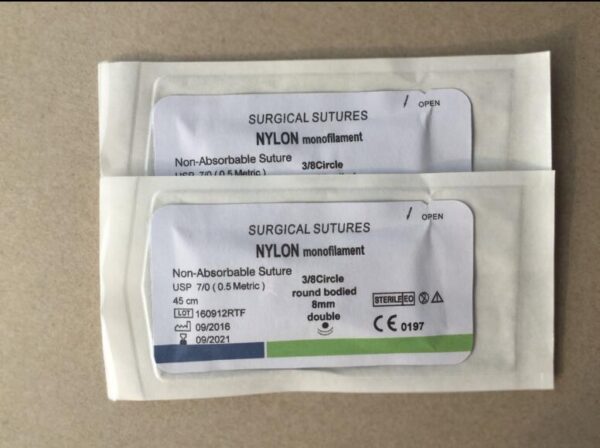
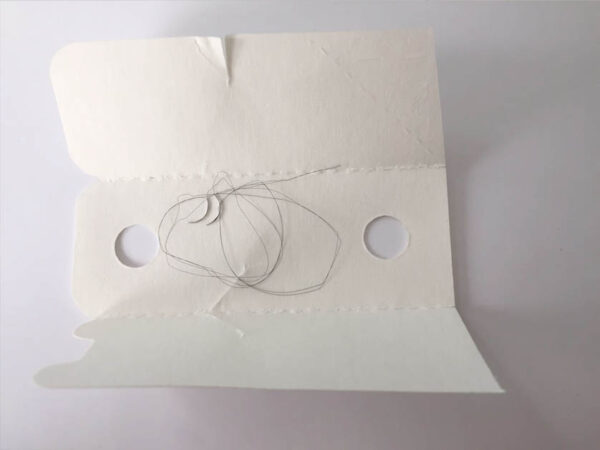
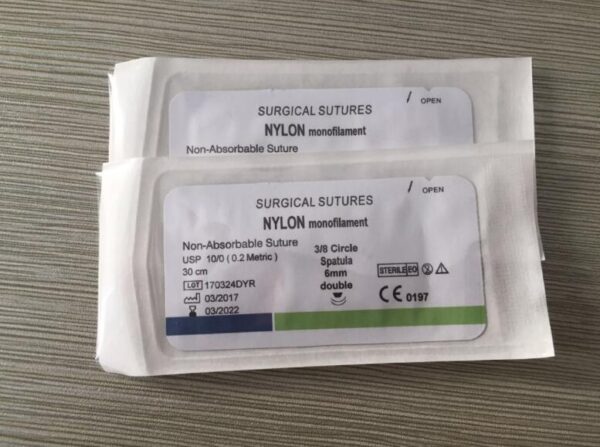
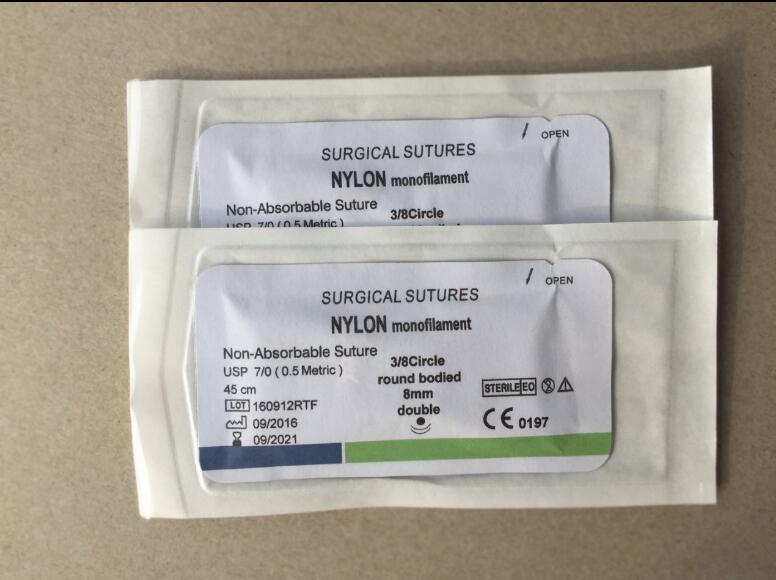
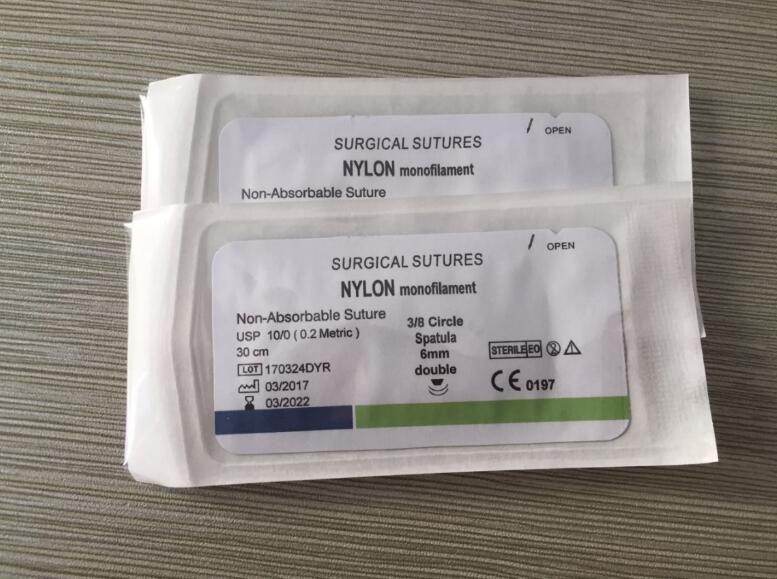
RTMED Polyamide / Nylon Monofilament
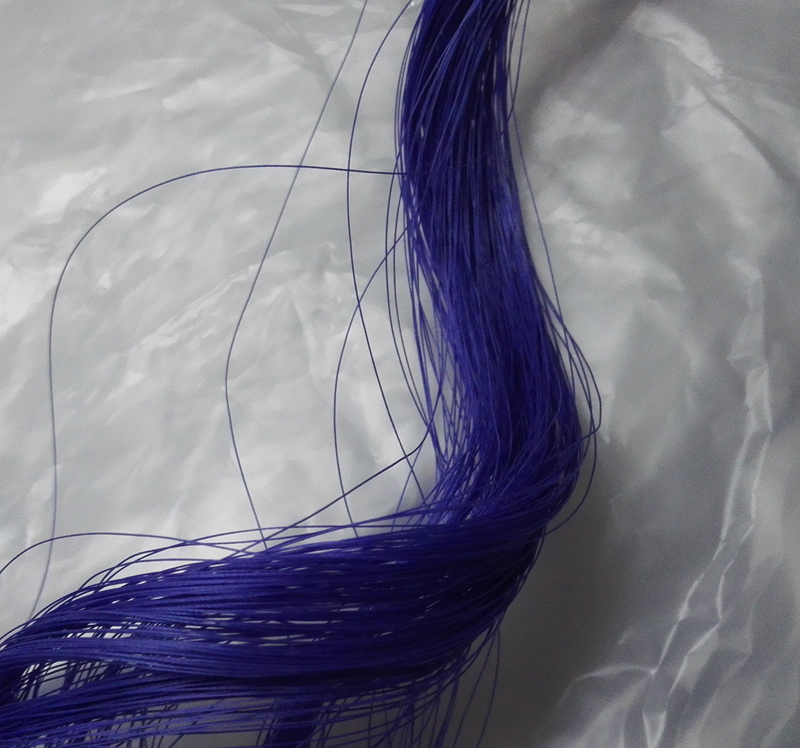
- High tensile strength,non absorbable suture Synthetic
- Monofilament with microscopic uniform diameter
- Pliability and softness
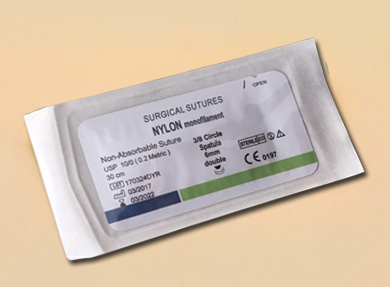
- Hermetically sealed packing
- Description
Description
RTMED Nylon Monofilament Suture (Polyamide) is an FDA-cleared, sterile, non-absorbable surgical suture synthesized from long-chain aliphatic polymers Nylon 6 or Nylon 6,6. Characterized by uniform monofilament extrusion, high tensile strength, and minimal tissue drag, RTMED Nylon is the preferred clinical standard for cuticular skin closure, plastic and reconstructive surgery, microsurgery, and ophthalmic procedures across Pakistan.
ISO 13485:2016 Certified
CE Mark Approved
DRAP Registered (Form-5A / Class IIb)
EO Sterile Packaging
Technical Specifications & Nylon Material Properties
| Product Line | RTMED Nylon (Polyamide) Monofilament Suture |
| Chemical Formulation | Polyamide 6 / Polyamide 6,6 high-tensile polymer |
| Filament Construction | Smooth non-porous monofilament (hydrophobic, zero capillary action) |
| Color Options | Black (Logwood Extract / Hematein) or Blue (FD&C Blue No. 2) |
| Tensile Retention Profile | Non-absorbable; progressive gradual loss of tensile strength over years (~15-20% per year via slow in vivo hydrolysis) |
| USP Range | USP 11-0 to USP 2 (EP 0.1 to EP 5.0) |
| Needle Alloy | AISI 300 series siliconized surgical stainless steel (ultra-sharp cutting geometry) |
| Needle Types | Precision Reverse Cutting, Curved Cutting, Taper Point, Micro-Point |
| Regulatory Approvals | US FDA 510(k) Cleared, CE Marked, ISO 13485:2016, DRAP Registered |
Available Nylon Suture Sizes & Clinical Applications
| USP Gauge | Suture Length | Needle Configuration | Primary Clinical Speciality |
|---|---|---|---|
| USP 10-0 & 9-0 | 15 cm / 30 cm | Micro-Spreader / Spatulated Needle (5 mm – 6.5 mm) | Ophthalmic (Corneal Repair) & Microsurgery |
| USP 6-0 & 5-0 | 45 cm | Precision Reverse Cutting (12 mm – 16 mm) | Facial Skin Closure & Plastic Surgery |
| USP 4-0 & 3-0 | 45 cm / 75 cm | Reverse Cutting (19 mm – 26 mm) | Cuticular Skin Closure & General Surgery |
| USP 2-0 & 0 | 75 cm / 100 cm | Heavy Cutting / Round Bodied (30 mm – 40 mm) | Tendon Repair, Orthopedic & Retention Suture |
Clinical Benefits of Nylon in Surgical Procedures
- Atraumatic Skin Passage: Completely smooth monofilament surface glides through epidermal layers without tissue dragging or sawing.
- High Pliability & Elasticity: Engineered elongation properties accommodate post-operative tissue edema without cutting into wound edges.
- Minimal Tissue Reactivity: Chemically inert polyamide generates negligible inflammatory response, ensuring superior cosmetic wound healing.
- Infection Control: Solid monofilament design prevents bacterial capillary harboring and simplifies post-operative removal.
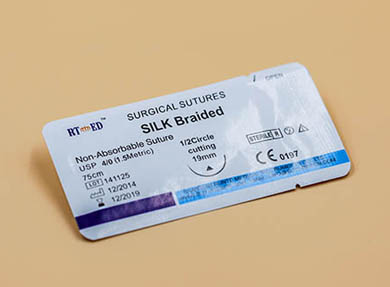
For braided non-absorbable deep ligation procedures, explore our RTMED Black Braided Silk Sutures.
Surgical Handling & Knot Technique for Nylon Sutures
Due to the smooth monofilament surface and inherent molecular memory of polyamide, surgical nylon requires meticulous knot tying techniques. Surgeons generally recommend utilizing a standard square knot with additional throws (at least 3 to 4 throws) to ensure dependable knot security without slippage. The low coefficient of friction allows RTMED Nylon to glide atraumatically through delicate cutaneous layers, eliminating tissue drag and drastically reducing local tissue inflammatory response. This ensures superior cosmetic healing, making RTMED Nylon sutures the preferred choice for plastic surgery, facial skin closure, and microvascular procedures across healthcare centers in Pakistan.
Frequently Asked Questions on Nylon Suture Procurement
Q1: Are RTMED Nylon sutures US FDA approved?
Yes. RTMED non-absorbable Nylon monofilament sutures hold US FDA 510(k) clearance, CE marking, and ISO 13485 certification, and are fully registered with the Drug Regulatory Authority of Pakistan (DRAP).
Q2: Is Nylon recommended for internal permanent retention?
Nylon is primarily indicated for cutaneous skin approximation, plastic surgery, and ophthalmic repair. Because nylon undergoes extremely slow long-term hydrolysis (15–20% loss/year), polypropylene is typically preferred for permanent cardiovascular prosthetics.
Q3: What packaging options are available for hospital procurement?
Supplied in boxes of 12 or 36 individually hermetically sealed, sterile foil packs with needle-park foam presentation to preserve needle point sharpness.
Hospital & Tender Procurement:
M. Islam & Sons supplies tertiary teaching hospitals, plastic surgery centers, and government institutions across Pakistan. Contact our regulatory and sales desk for bulk pricing, institutional tenders, and product samples.